Signs Your Door Knob Lock Has Reached the End of Its Life
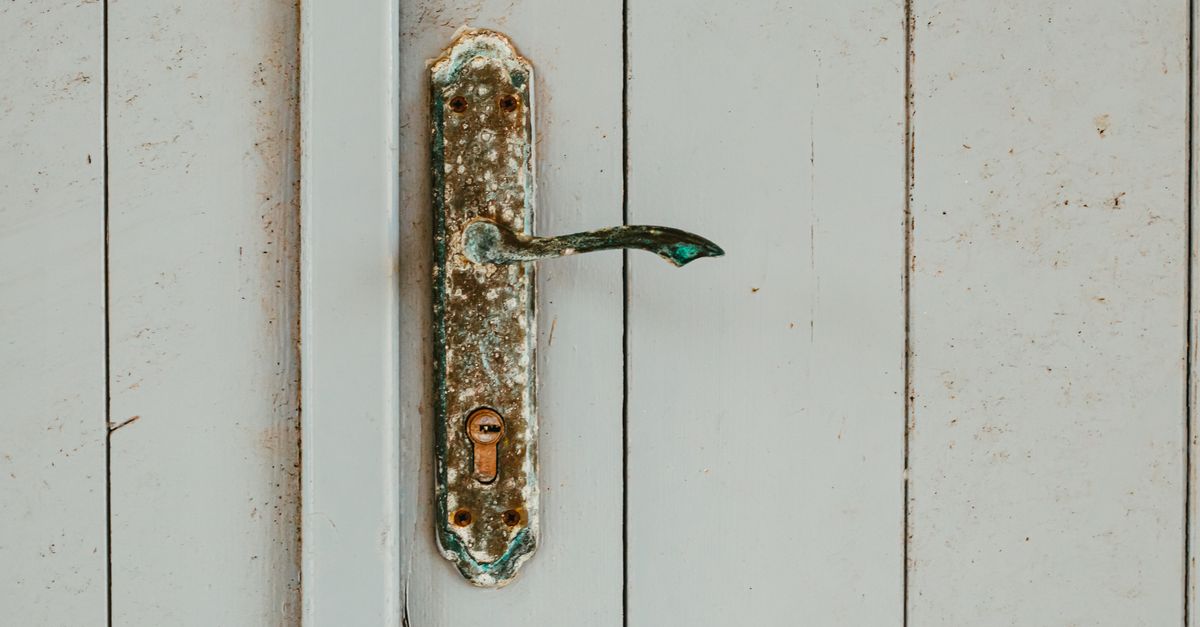
Most homeowners in Indian Head Park don't think about their knob hardware until something goes obviously wrong — a key that won't turn, a latch bolt that no longer retracts cleanly, or a knob that spins freely without engaging the mechanism inside. Those are the dramatic failures. The subtler warning signs are just as important: a knob that feels loose on the rose plate, a lock cylinder that requires wiggling before the key catches, chrome or brass finish flaking away to expose bare metal, or a door that rattles against the strike plate even when closed. Each of these signals internal wear that will eventually cause a complete failure, often at the worst possible moment — late at night, in foul weather, or right before you leave for work.
Exterior knob locks face the harshest conditions. Illinois winters push freeze-thaw cycles through the metal, contracting and expanding the internal springs and tumblers dozens of times per season. Over five to ten years that stress compounds, and even a quality Kwikset or Schlage knob will develop play in the cylinder or stiffness in the cam. Older hardware with no weatherproofing degrades even faster. Interior knob locks, including a door knob with lock for bedroom or bathroom privacy applications, experience a different kind of wear — constant hand pressure, occasional forced turning by children, and humidity fluctuations that swell and warp wooden doors, putting lateral stress on latches that were never designed for it. Catching these issues early keeps a straightforward swap from turning into a door-frame repair job as well.